Top Electronic Tools Every Toronto Video Production Team Relies On

camera

Toronto has become one of North America’s most dynamic creative hubs, attracting filmmakers, agencies, and businesses looking for high-quality storytelling. With a growing demand for professional video production in Toronto, local crews depend on advanced electronics to deliver polished, cinematic results. From cameras and stabilizers to lighting, microphones, and post-production suites, the right gear is what sets Toronto productions apart from the rest.

In this article, we’ll walk through the essential electronic tools that nearly every production team in Toronto relies on, and how these devices shape the city’s competitive video and film industry.

Why Electronics Matter in Video Production

Toronto’s film and advertising industry thrives on technology. While storytelling remains the foundation of great content, it’s electronics that make it possible to translate a vision into visuals and sound.

In the past, productions relied on bulky cameras, heavy lights, and complicated setups that required days of preparation. Today, electronics have streamlined the process: cameras are lighter and sharper, stabilizers are handheld, LED lights are compact yet powerful, and wireless microphones deliver crisp sound even in busy downtown streets.

For Toronto’s fast-paced market—where agencies need quick turnaround times, small businesses want branded content, and large film sets operate on tight schedules—electronics are not just tools, they’re enablers of efficiency and creativity.

If you’re curious about the impact of modern gear on local projects, you can also read our piece on creating cinematic content in Toronto to see how technology changes the production process.

Cameras – The Heart of Every Production

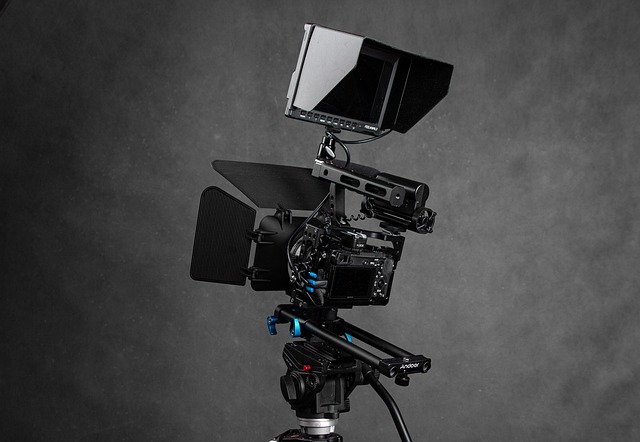
No matter how creative the idea, the camera remains the single most important electronic tool in video production. In Toronto, production houses invest heavily in cinema-grade cameras that can handle the diverse needs of commercial ads, corporate events, music videos, and independent films.

Popular systems include:

  • RED Digital Cinema – Known for ultra-high resolution, RED cameras are common in Toronto’s commercial shoots.
  • ARRI Alexa – A film industry favourite, often used for higher-budget productions.
  • Sony FX and Canon C Series – Versatile workhorses, perfect for both small and large-scale projects.

Mirrorless and DSLR cameras are also popular for smaller projects, especially when crews need to stay light and flexible while filming in Toronto neighbourhoods like Kensington Market or Liberty Village.

What sets Toronto apart is the ability of production teams to mix equipment based on the project’s scope. A big commercial might use multiple REDs and ARRI rigs, while a social media campaign for a local business may use Sony A7s paired with compact stabilizers.

Stabilizers and Drones – Capturing Toronto from Every Angle

Toronto’s cityscape is one of its greatest assets, and electronic stabilizers and drones make it possible to capture it with cinematic precision.

Gimbals and Stabilizers

Handheld stabilizers like the DJI Ronin or Zhiyun Crane allow crews to capture smooth tracking shots through Toronto’s bustling Financial District or along Queen Street West. These electronics are essential when shooting dynamic movement, whether it’s a music video dance sequence or a corporate walkthrough.

Drones

Aerial cinematography has become a must-have in professional video production. In Toronto, drones like the DJI Inspire or Mavic 3 are frequently used to showcase iconic landmarks such as the CN Tower, waterfront skyline, or sprawling High Park.

These tools allow for perspectives that were once only possible with expensive helicopter rentals. Now, a single drone operator can deliver sweeping shots that give Toronto productions an extra layer of sophistication.

LED Panels and Lighting Electronics

Lighting can make or break a production, and electronics have completely revolutionized this aspect of filmmaking. Gone are the days of hot, power-hungry tungsten lamps. Toronto crews now rely heavily on LED lighting systems.

Advantages of LED panels include:

  • Portability – Easy to carry between shoots in the Distillery District or indoor studio setups.
  • Energy Efficiency – Perfect for long shoot days without draining power.
  • Colour Accuracy – Adjustable colour temperatures allow for seamless blending with Toronto’s natural light.

Some popular brands you’ll find on set in Toronto include Aputure, Godox, and Nanlite. For example, an Aputure 300D provides the intensity needed for interview setups, while smaller LED panels can fill light in documentary-style productions.

If you’re planning your own shoot, you might find our guide on Toronto video production lighting helpful—it breaks down how local studios balance natural and artificial light.

Professional Microphones and Audio Gear

Toronto is a busy city, and anyone who’s filmed downtown knows the challenges of recording clean audio in noisy environments. That’s why professional microphones and electronic audio gear are essential.

Common audio tools include:

  • Shotgun Microphones – Perfect for interviews or dialogue in controlled spaces.
  • Lavalier Mics – Wireless clip-on mics, widely used for corporate shoots and live events.
  • Field Recorders – Zoom and Tascam devices that allow teams to capture high-quality sound outside the studio.

Brands like Rode, Sennheiser, and Shure are frequently used by Toronto crews. A corporate video filmed in a Bay Street office, for instance, might rely on lavalier mics for executives, while a film set in Kensington Market could use shotgun mics paired with noise-reduction recorders to capture dialogue without interference.

Editing Suites and Post-Production Electronics

Once the footage is shot, Toronto’s post-production teams rely on high-end electronics to bring everything together. Editing has become as much a part of storytelling as the shoot itself, and the right equipment makes a major difference.

Key electronics in post-production include:

  • Powerful Computers – High-performance Mac Studios or custom PCs built for rendering 4K and 8K footage.
  • Professional Monitors – Colour-accurate displays for grading, ensuring Toronto productions meet broadcast standards.
  • Audio Systems – Studio-grade speakers and mixing boards for sound design.

Editing software like Adobe Premiere Pro, Final Cut Pro, and DaVinci Resolve rely on these electronics to perform smoothly. Toronto is also home to a growing community of freelance editors and post-production houses, all equipped with the latest hardware to handle demanding projects.

Here’s a quick comparison of popular post-production tools:

ToolPrimary UseExample Brand/Software
Editing ComputerRendering & editingApple Mac Studio
Colour MonitorColour grading accuracyEizo CG Series
Audio InterfaceMixing & sound designFocusrite Scarlett
Editing SoftwarePost-production workflowAdobe Premiere Pro

Toronto’s Competitive Edge Through Electronics

Toronto’s video industry is thriving not just because of its talent, but because of its access to world-class electronics. Local crews understand that clients—from global corporations to small startups—expect broadcast-quality results. That’s why investing in electronics is part of staying competitive.

The advantage of Toronto’s video production scene is its ability to combine cutting-edge technology with local knowledge. Teams know how to adapt electronics to the unique demands of filming in a city with unpredictable weather, diverse locations, and fast-paced corporate schedules.

Final Thoughts

From cameras and stabilizers to lighting, microphones, and editing suites, electronics are at the core of every successful Toronto video production. These tools allow teams to capture the city’s energy, tell stories with precision, and deliver results that clients can proudly showcase.

If you’re planning a project and want to work with a team that invests in the latest tools and techniques, consider partnering with professionals who specialize in Toronto video production services. With the right blend of technology and expertise, your vision can become more than just a video—it can become a story that resonates.

Why Smart Cable Management Can Extend the Life of Your Devices

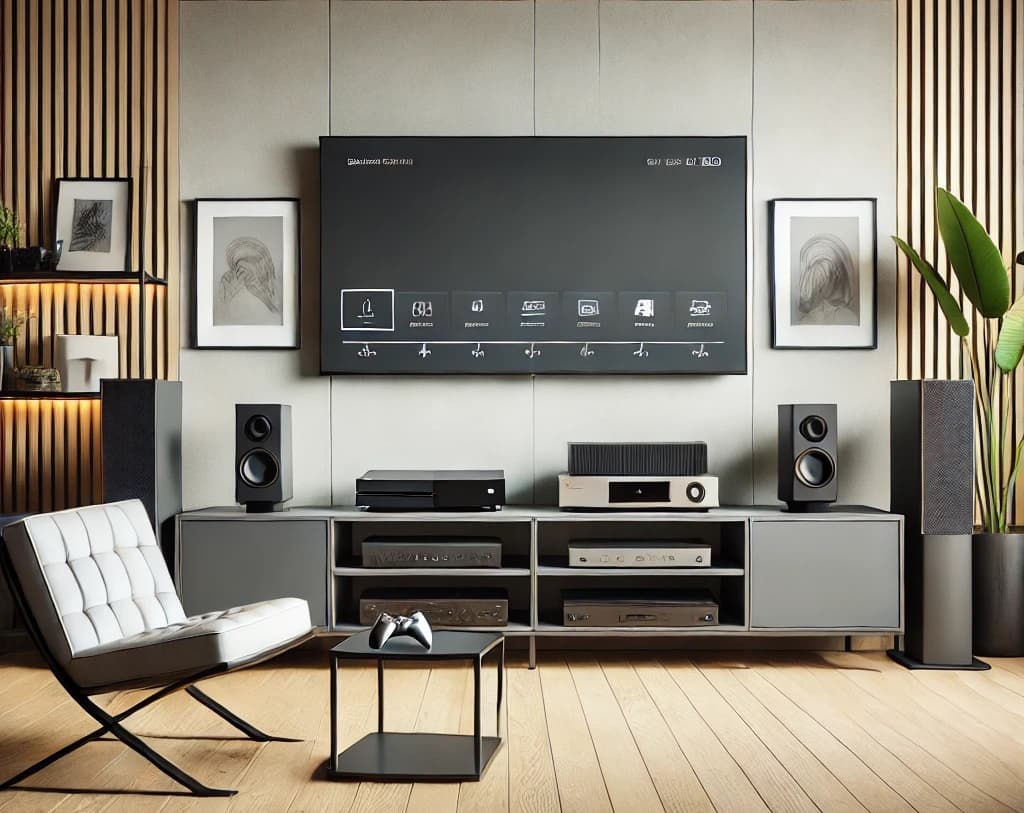
Cables are a crucial part of everyday tech, yet they often receive little attention until they start causing problems. Tangled wires, frayed cords, and cluttered power strips are not just an aesthetic issue – they can shorten the lifespan of your devices. Poor cable management leads to overheating, strain on ports, and even safety hazards. Smart cable organization, on the other hand, can prevent these problems, ensuring your devices remain in good condition for years.

The Hidden Dangers of Messy Cables

A clutter of cables behind a desk or entertainment center might seem harmless, but it can cause serious problems over time. Wires that are constantly twisted or bent at extreme angles wear down more quickly, leading to internal breakage. This can cause intermittent charging issues, slow data transfers, or complete connection failure.

Another overlooked issue is overheating. Power cables and adapters generate heat, especially when multiple devices are plugged in close together. If ventilation is blocked by tangled wires, heat buildup can damage both the cables and the devices they power. In extreme cases, poorly managed cables can even pose a fire hazard.

Additionally, messy cables increase the risk of accidental damage. A foot caught on a loose cord can yank a laptop off a table or damage a charging port. Over time, constant pulling and twisting weaken connections, making them unreliable or unusable.

How Smart Cable Management Protects Your Devices

Proper cable management helps reduce wear and tear, making your devices last longer. One key benefit is reducing physical strain on the cables themselves. Keeping cords neatly routed and secured prevents unnecessary bending, which is a common cause of fraying and internal wire damage.

Airflow is another critical factor. Devices like gaming consoles, computers, and routers need proper ventilation to prevent overheating. Organizing cables so they don’t block airflow allows heat to dissipate more efficiently, protecting sensitive electronics from thermal damage.

Using high-quality cable organizers, clips, and sleeves also makes it easier to identify and replace faulty cables. Instead of struggling with a tangled mess, you can quickly locate the right cord, reducing the risk of pulling or damaging other connections.

Practical Tips for Better Cable Management

Good cable management doesn’t require expensive solutions – just a few small changes can make a big difference. Start by sorting cables based on function, keeping power cords separate from data cables. This minimizes interference and prevents excess heat buildup.

Velcro straps and cable ties are simple but effective tools to bundle cords together neatly. Unlike plastic zip ties, which can be difficult to adjust, Velcro ties allow flexibility when cables need to be moved or replaced. Cable sleeves and raceways can further help by keeping wires protected and hidden from view.

For frequently used devices like phones or laptops, a designated charging station helps reduce clutter while keeping cables neatly organized. Many modern power strips also come with built-in cable management features, making it easier to keep everything in order.

Long-Term Benefits of Smart Cable Organization

Beyond protecting your devices, good cable management makes everyday life easier. A clutter-free workspace improves focus and reduces stress, especially in home offices where multiple devices are in use.

Neatly arranged cables also simplify maintenance. Instead of digging through a mess of tangled cords, you can quickly replace or troubleshoot any issues. This is especially helpful for businesses or households with multiple devices connected to a shared power source.

Another long-term advantage is cost savings. Replacing damaged cables or repairing broken ports can be expensive, and in some cases, a damaged connection can render a device unusable. By taking simple steps to organize cables properly, you can avoid unnecessary repairs and extend the lifespan of your electronics.

Conclusion

Smart cable management is more than just a way to keep things tidy – it plays a crucial role in preserving the life of your devices. From preventing fraying and overheating to reducing accidental damage, well-organized cables ensure that your electronics function properly for years. Whether through simple tools like Velcro ties or more advanced solutions like cable sleeves, investing a little time in managing your cables can save you money and frustration in the long run.

Can Smart Health Gadgets Really Improve Your Well-Being

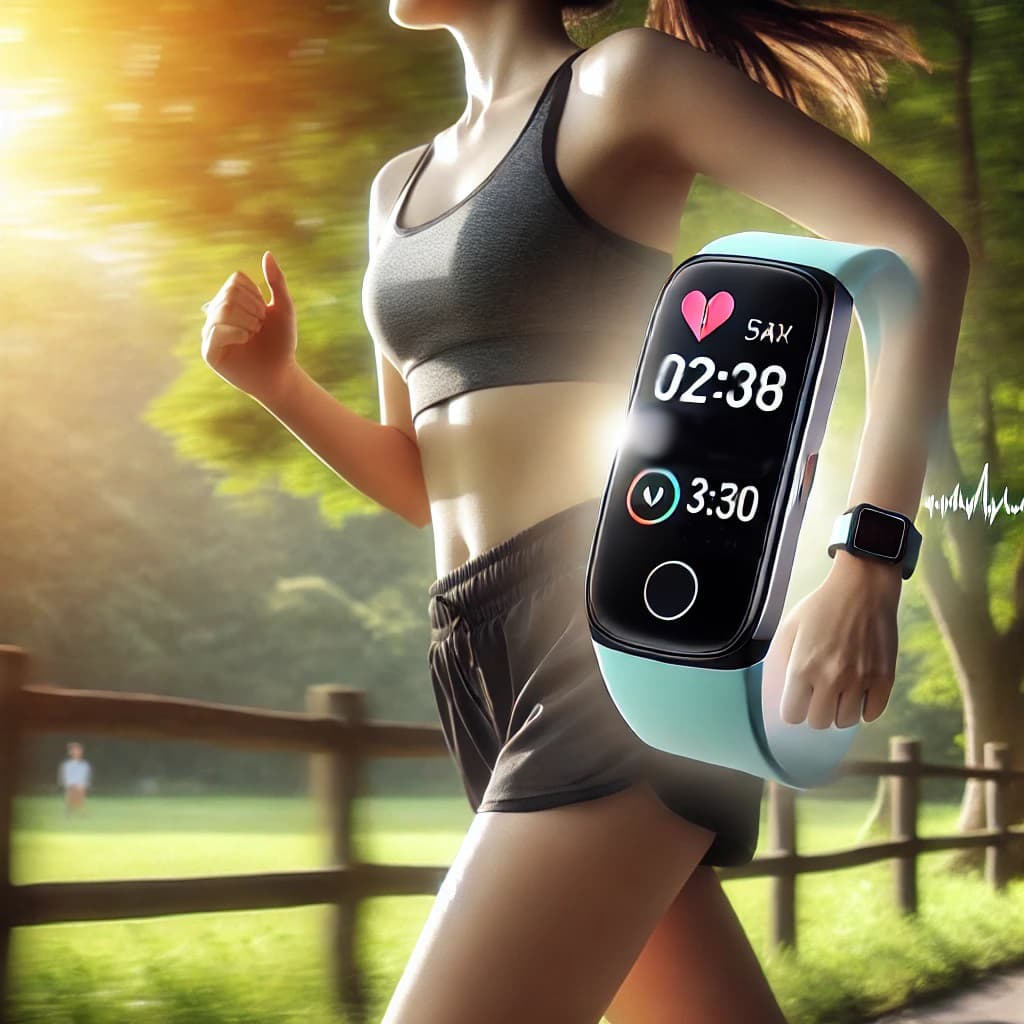
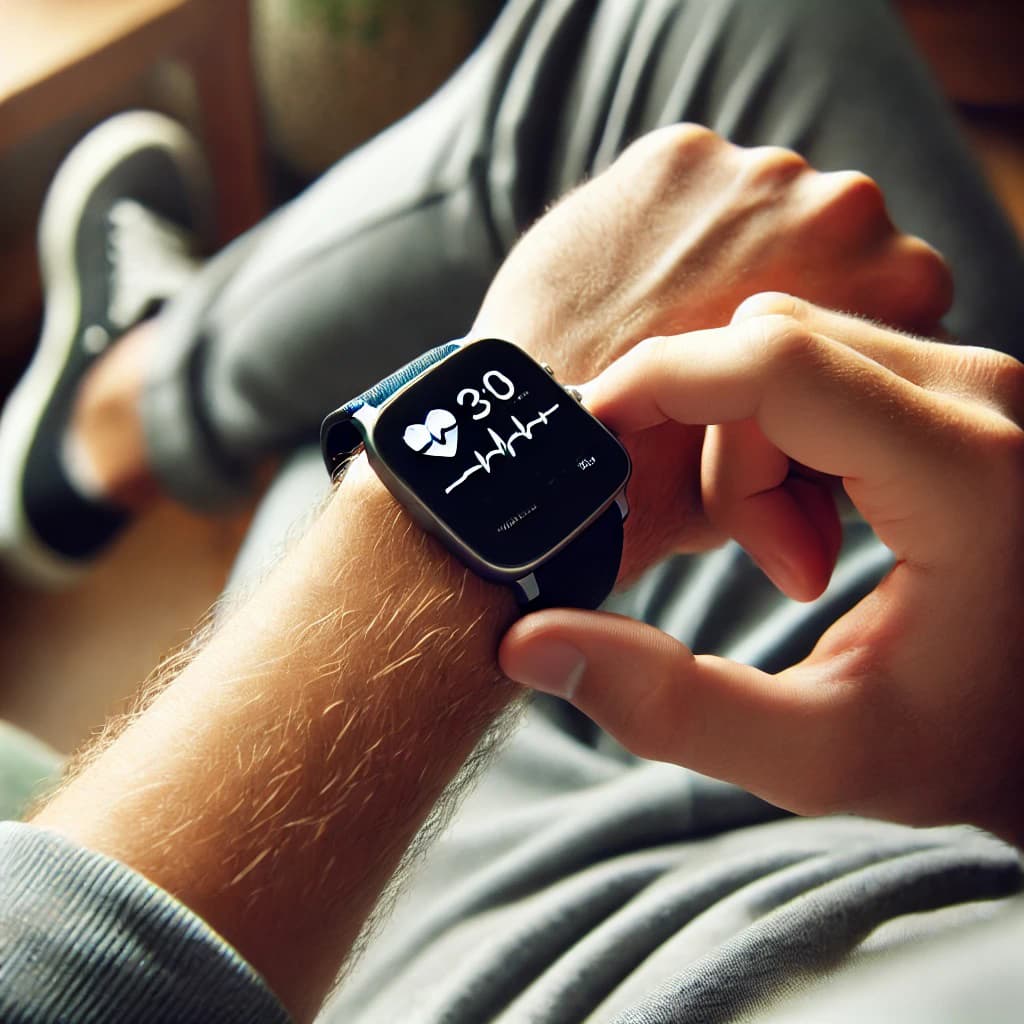
Smart health gadgets have become a part of daily life for millions of people. From smartwatches that track heart rate and sleep to apps that monitor stress and fertility, technology now offers more data about our bodies than ever before. But do these gadgets actually improve well-being, or are they just another trend? While they can provide useful insights, their real impact depends on how people use them. Some rely on health tech to make better lifestyle choices, while others get overwhelmed by constant data. This article explores how smart health gadgets influence physical and mental health, their potential risks, and whether they truly help people lead healthier lives.

How Smart Health Gadgets Are Changing Daily Habits

Many people use wearable health tech to track their steps, calories, sleep patterns, and even stress levels. Devices like Fitbit, Apple Watch, and Oura Ring collect and analyze personal health data, encouraging users to set goals and monitor progress. This can lead to positive changes, such as exercising more, improving sleep habits, or recognizing unhealthy patterns.

For example, sleep trackers provide detailed reports on sleep cycles, helping people understand how rest affects their daily performance. Some users find these insights helpful and adjust their bedtime routines to feel more refreshed. Others, however, experience anxiety when their sleep scores are low, leading to stress instead of improvement. Research suggests that while health gadgets can motivate better habits, their effectiveness depends on whether users focus on meaningful changes rather than just the numbers.

The Science Behind Health Tracking – Useful or Just Data Overload

Smart health gadgets generate a massive amount of data, but not all of it is useful. Heart rate variability (HRV), oxygen saturation levels, and step counts can provide valuable insights, yet many users don’t fully understand what these numbers mean. Without proper context, people might misinterpret their data and worry unnecessarily about normal fluctuations.

A major concern is how accurate these gadgets are. Studies show that while they can provide reasonably reliable information, they are not as precise as medical-grade devices. For example, wearable heart rate monitors are generally accurate during rest but may struggle to track heart rates correctly during intense exercise. Similarly, calorie burn estimates often vary between devices, making them unreliable for precise health planning.

Despite these limitations, smart health technology continues to evolve. Some devices now use artificial intelligence to analyze patterns and offer personalized recommendations. However, experts warn that these recommendations should not replace professional medical advice. If a health gadget provides concerning results, consulting a doctor remains the safest approach. More information on how health metrics like HRV are used in medical research can be found on this site.

Health Gadgets and Mental Well-Being – A Double-Edged Sword

Beyond physical health, smart health gadgets also claim to support mental well-being. Many devices now track stress levels, mindfulness activities, and breathing patterns. Some smartwatches even prompt users to take deep breaths or practice guided meditation when stress levels rise.

For some people, these features provide a helpful reminder to slow down and focus on relaxation. Others, however, become obsessed with tracking their stress levels, leading to more anxiety rather than less. This phenomenon, sometimes called “health tracking fatigue,” occurs when people feel pressured to constantly improve their metrics instead of listening to their bodies.

Moreover, privacy concerns add another layer of stress. Many users worry about who has access to their health data and how it might be used. While most major tech companies have data protection policies, the risk of breaches and misuse remains a concern. Understanding how companies handle personal health data is essential before fully relying on wearable technology for well-being.

Can Smart Health Gadgets Help With Life Planning

For those trying to manage long-term health goals, smart health gadgets can play a role in major life decisions. One growing area is fertility tracking. Many couples now use apps and wearable devices to monitor ovulation cycles and hormone levels, sometimes even replacing traditional fertility consultations with digital solutions.

While these tools can be helpful, experts caution against relying solely on technology when planning a family. Medical professionals provide insights and testing that gadgets cannot replace. To learn more about professional fertility care and how it compares to at-home tracking, read here.

Beyond fertility, smart health gadgets also help people manage conditions like diabetes, high blood pressure, and chronic pain. Continuous glucose monitors, for example, allow diabetics to track blood sugar levels in real-time, reducing the need for frequent manual testing. For some, this level of convenience improves daily life significantly.

Conclusion

Smart health gadgets offer both benefits and challenges. They can encourage healthier habits, provide valuable insights, and even assist with long-term health planning. However, their effectiveness depends on how they are used. Over-reliance on health data, privacy concerns, and potential inaccuracies highlight the need for balance. These devices should be seen as tools for self-improvement rather than strict measures of health. In the end, real well-being comes from making informed choices based on both technology and professional medical advice.